Oral Probiotics and Dental Supplements for Dry Mouth
Oral probiotic products are marketed for microbiome balance, breath or gum support, but those aims are not the same as restoring saliva. Product format, identified strains and evidence for the exact formula matter more than broad phrases such as dental probiotic or natural oral support.
Probiotics, postbiotics and saliva are different concepts
A probiotic contains live microorganisms administered in adequate amounts for a demonstrated health benefit. A postbiotic uses a preparation of nonliving microorganisms, their components or both; it should not be assumed to work like a live probiotic.
Dry mouth is a symptom with many causes. Changing microbial exposure is biologically different from increasing salivary-gland output, so evidence for breath or plaque outcomes cannot automatically be applied to xerostomia relief.
- Live products should identify organisms and usually provide a viable count through a stated point in shelf life.
- Postbiotic labels should make clear that the microbial preparation is nonliving.
- A genus and species name alone may not identify the studied strain.
- A large CFU number does not prove that a formula treats dry mouth.
How to evaluate an oral probiotic label
Look for full strain identifiers, serving directions, storage requirements, allergen information and a viable count tied to shelf life rather than manufacturing alone. Then ask whether controlled research evaluated the same strain, dose, delivery method and outcome.
Chewables and lozenges contact the mouth differently from swallowed capsules, while drops introduce another formulation question. Format may affect convenience and exposure, but it does not establish effectiveness.
- Distinguish evidence for dry-mouth symptoms from evidence for breath, plaque or gum measures.
- Check whether studies involved people with the same cause of dryness.
- Treat proprietary blends cautiously when individual quantities are not disclosed.
- Look for independent quality testing rather than relying on reviews or popularity.
Recommended Products
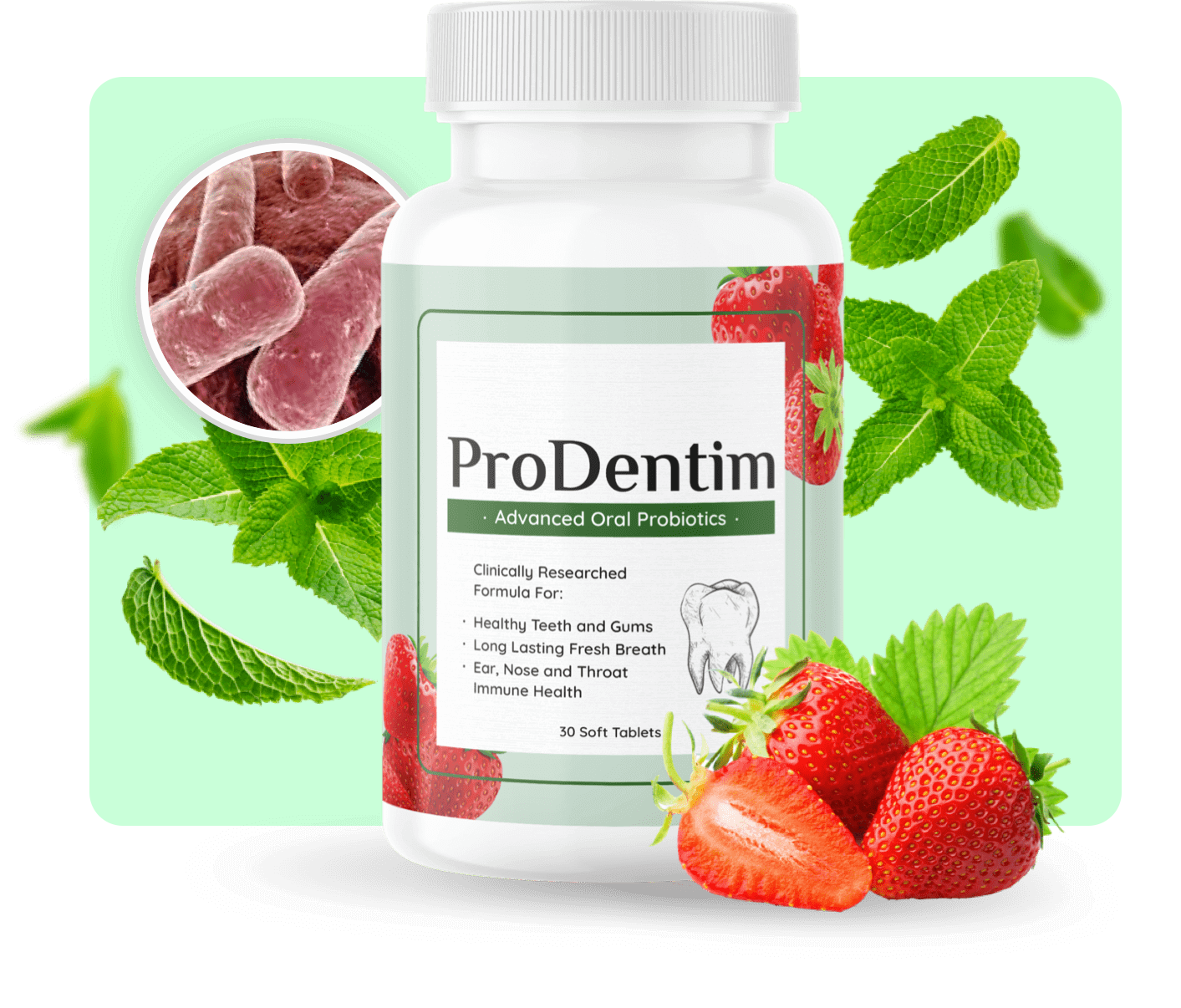
prodentim
The seller describes ProDentim as an oral supplement combining probiotics with nutrients, including B. lactis BL-04, Lactobacillus reuteri, inulin, calcium and magnesium. Its marketing focuses on oral microbiome balance and breath rather than presenting evidence that the formula restores saliva.
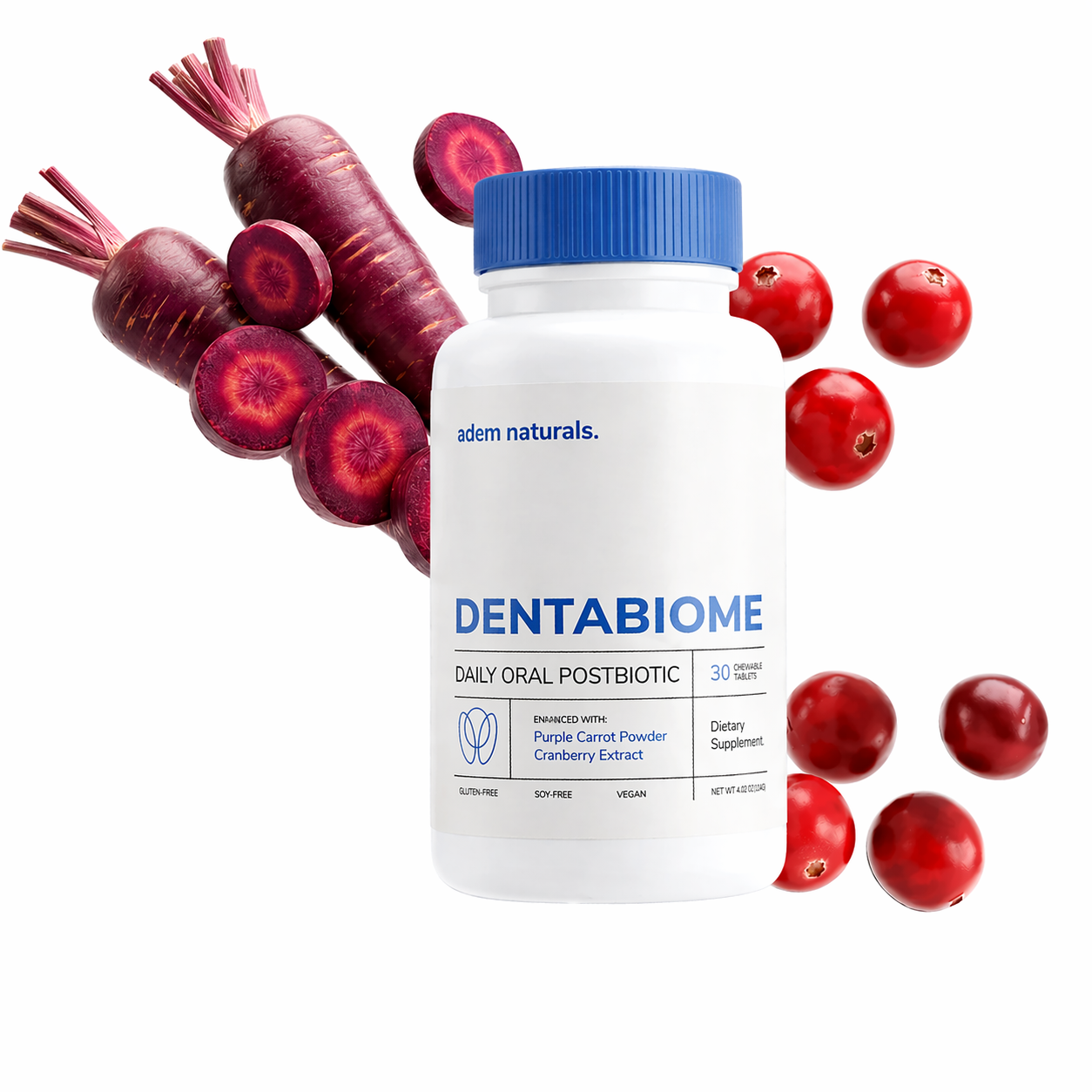
dentabiome
DentaBiome is presented by its seller as a chewable oral postbiotic formula rather than a conventional live-probiotic product. The disclosed formula combines L. plantarum, L. salivarius and L. rhamnosus preparations with xylitol, cranberry extract, purple carrot powder and BioFresh Clean Complex.
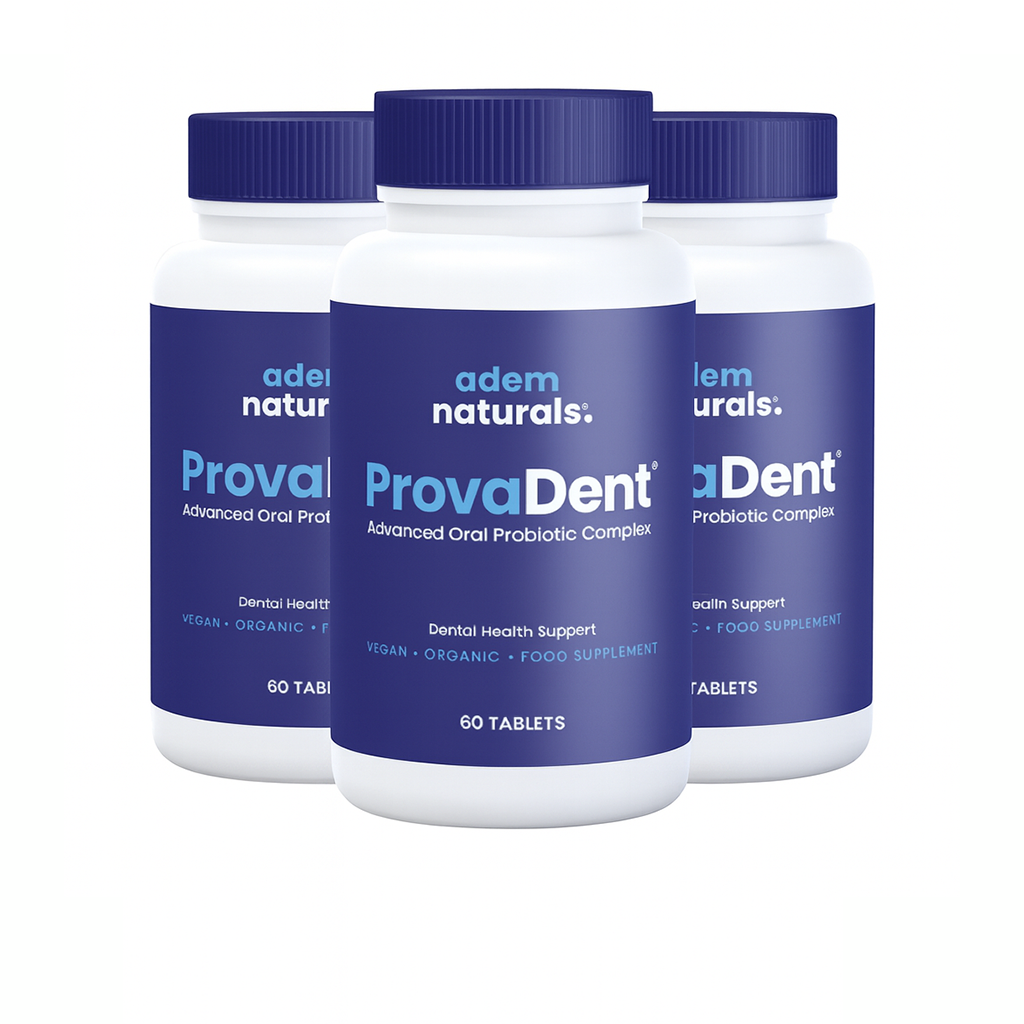
provadent
The ProvaDent seller describes a formula containing four probiotic strains alongside organic xylitol, cranberry extract, purple carrot powder and BioFresh Clean Complex. The supplied material emphasizes breath and microbiome support but does not identify evidence for treatment of reduced saliva.
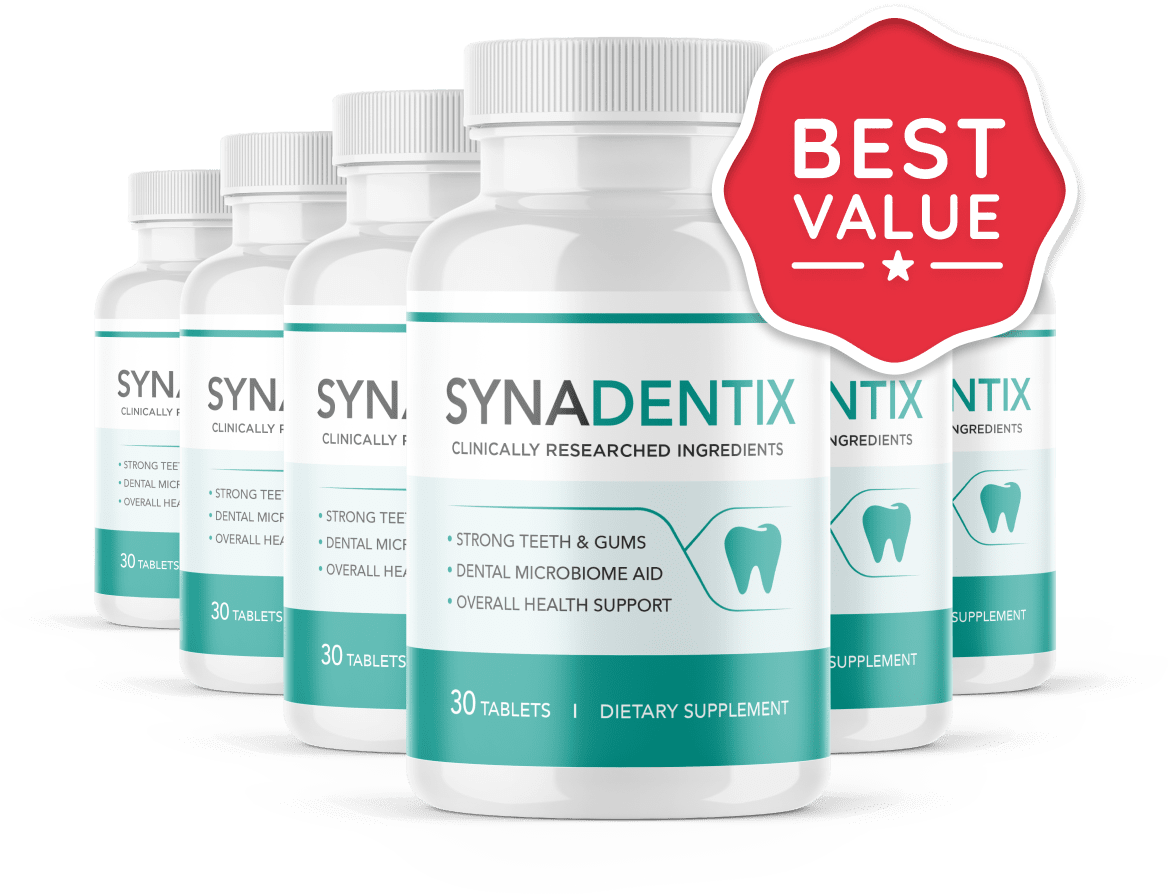
synadentix
Synadentix is marketed as a chewable tablet used by chewing slowly or allowing it to melt under the tongue at night. Its seller highlights microcrystalline hydroxyapatite, lactoferrin and marine enzymes, making it compositionally different from the probiotic-focused products.
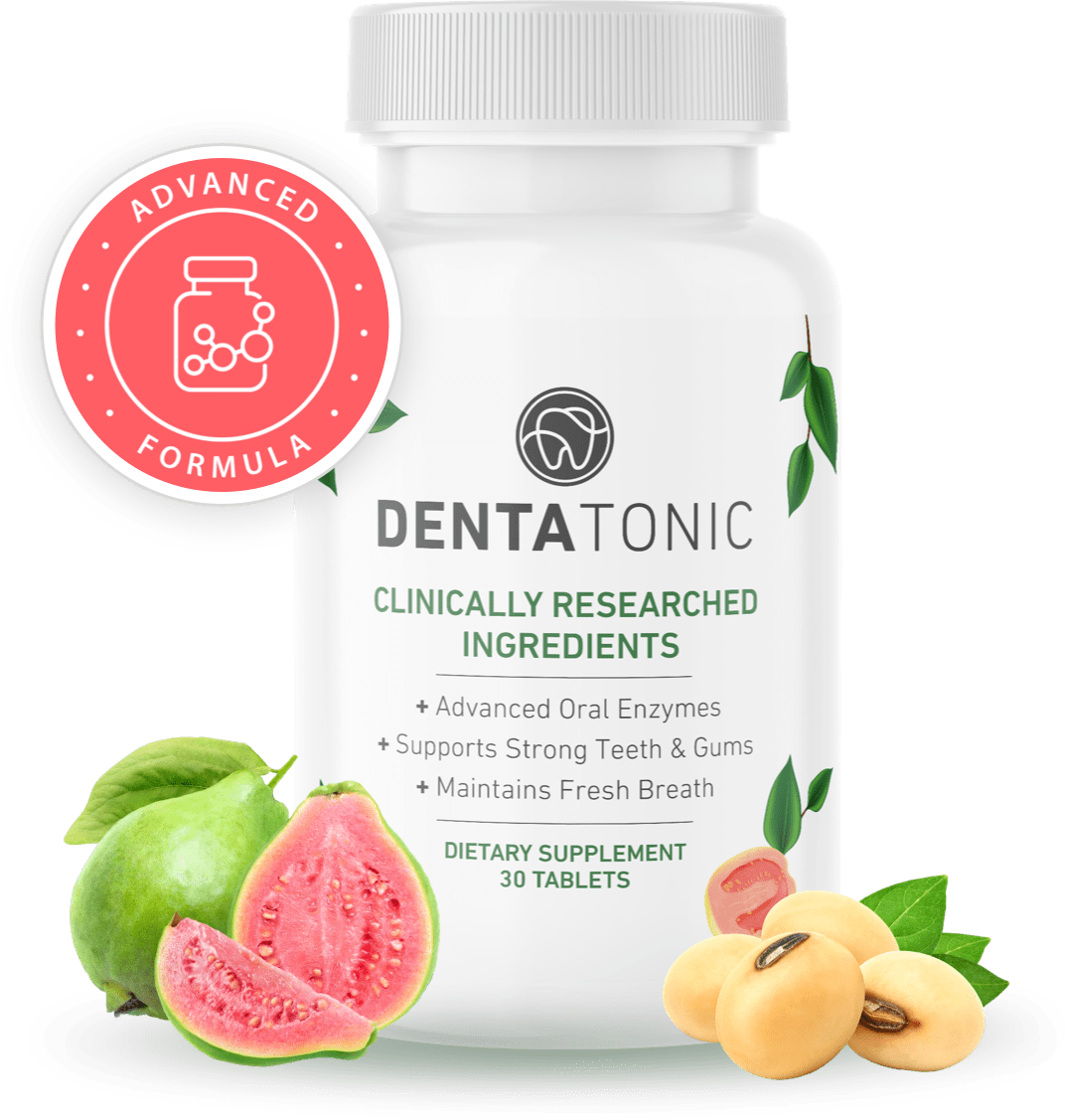
dentatonic
DentaTonic is described as a once-daily tablet containing a proprietary blend of enzymes and proteins. The seller specifically connects the formula with lactoperoxidase in saliva, but the excerpt does not disclose evidence that it treats clinical xerostomia.
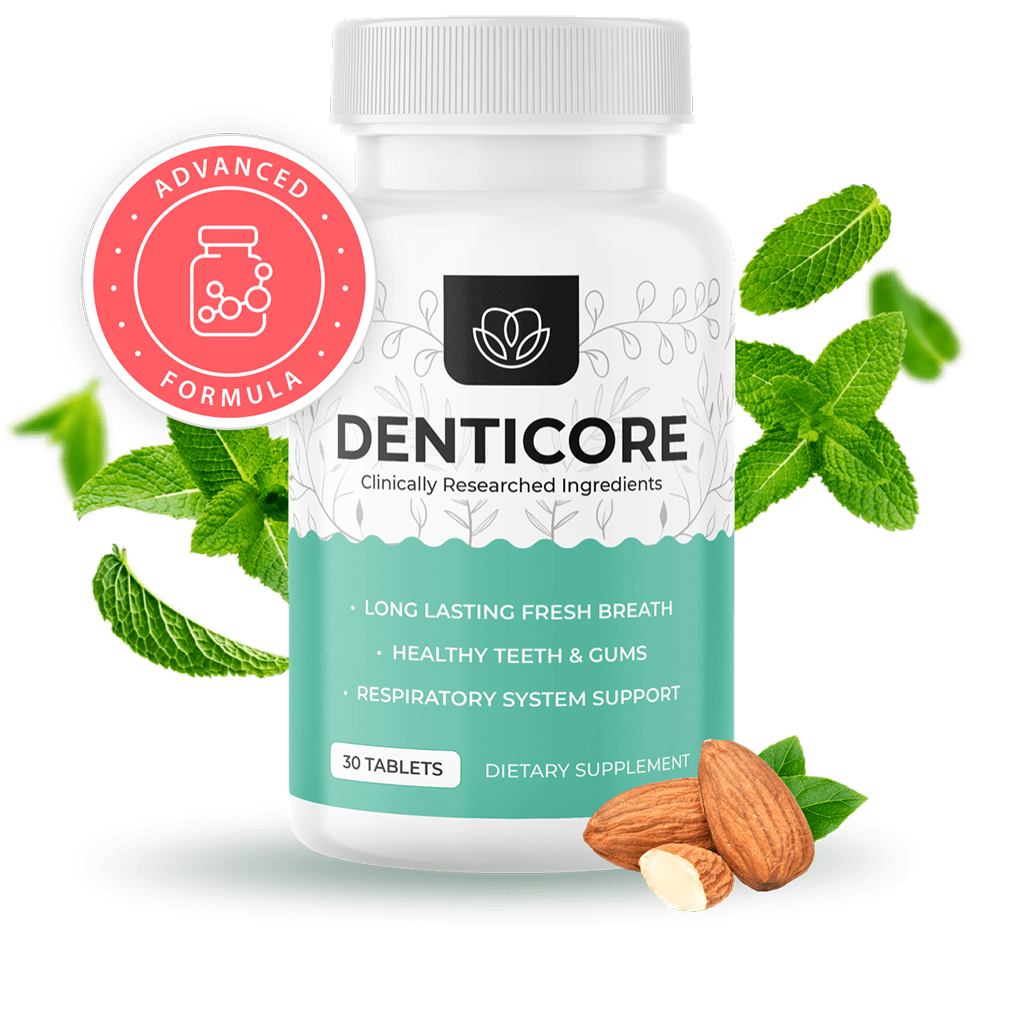
denticore
DentiCore is sold as a soft chewable that may also be swallowed, with a formula described as combining plants and minerals. Calcium is specifically disclosed, while the seller also identifies shilajit extract in its breath-related marketing.
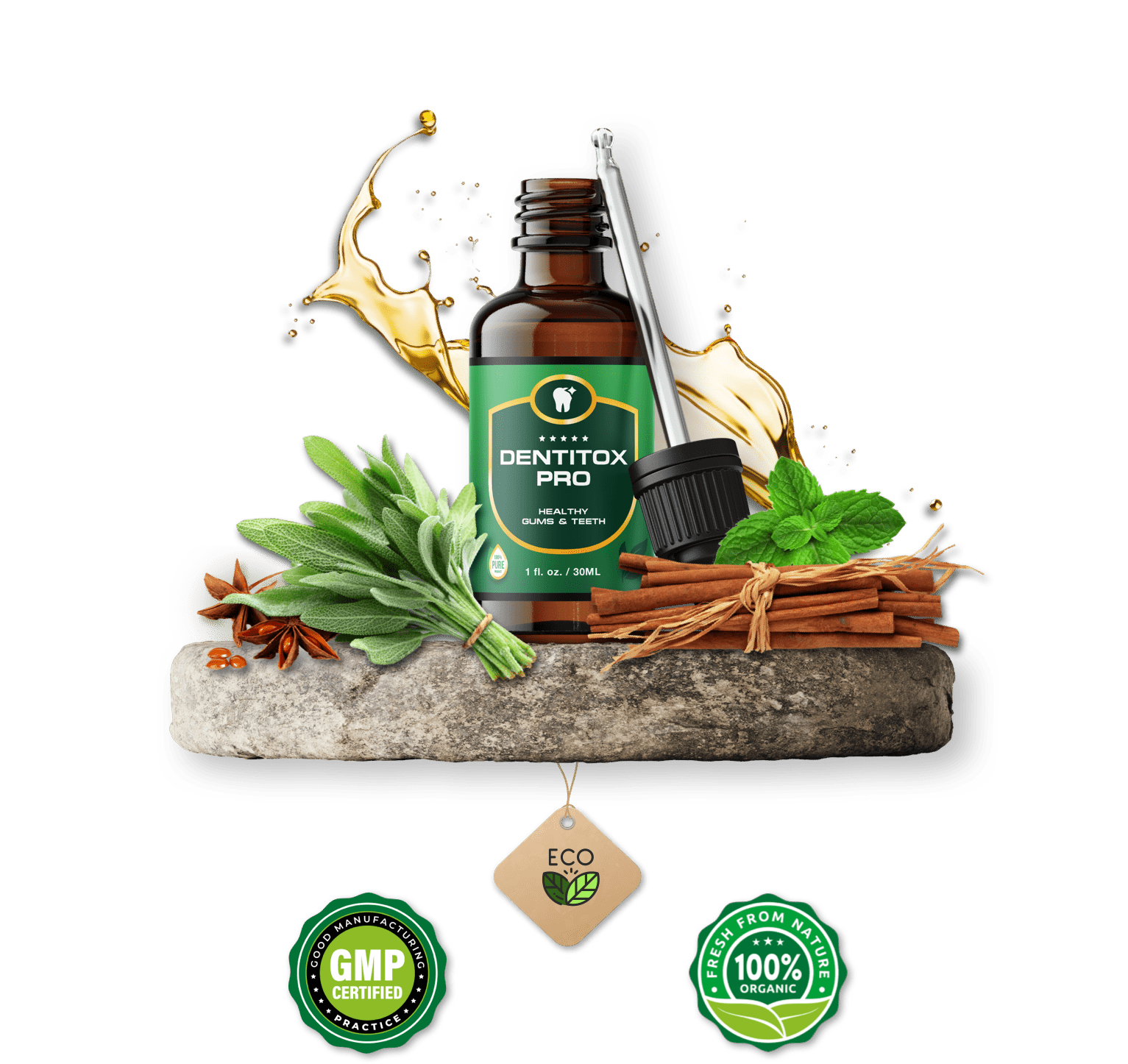
dentitox pro
Dentitox Pro is a dental drop formula rather than a chewable or capsule. The merchant lists xylitol, licorice, elderberry and vitamins A, C and D3, although its broad cavity and gum-disease claims are promotional and are not proof of dry-mouth efficacy.
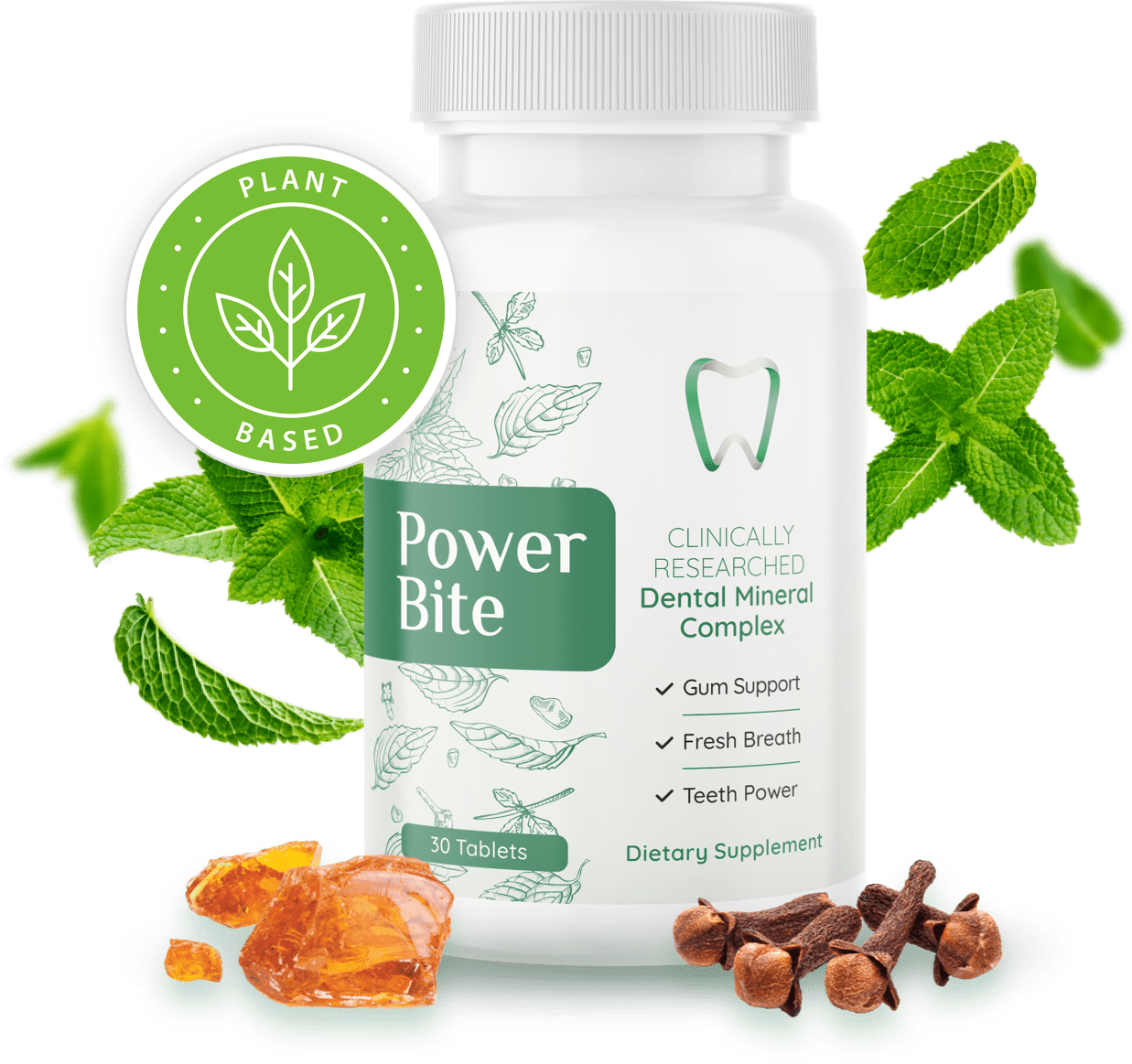
powerbite
PowerBite is marketed in a candy format with a proprietary blend of plant and mineral extracts. The supplied seller text names myrrh and wild mint but does not provide evidence that the product increases saliva or treats xerostomia.
What the selected product descriptions actually establish
The supplied merchant materials describe ProDentim as a probiotic-and-nutrient formula and ProvaDent as containing four probiotic strains with xylitol, cranberry and purple carrot. DentaBiome is marketed as a chewable postbiotic formula with named Lactobacillus preparations, xylitol and plant ingredients.
Synadentix is described as a chewable containing microcrystalline hydroxyapatite, lactoferrin and marine enzymes. DentaTonic emphasizes enzymes and proteins; DentiCore emphasizes plants, minerals and calcium; Dentitox Pro is a drop formula with vitamins, plants and xylitol; PowerBite is described as a candy-format plant-and-mineral blend.
These descriptions help distinguish formats and disclosed components, but the merchant excerpts do not demonstrate that any listed product treats xerostomia or increases salivary-gland function.
Decision criteria for someone with dry mouth
First decide what problem you are trying to solve: lack of lubrication, low measured saliva, bad breath, gum discomfort or cavity prevention. A supplement promoted for breath or microbiome balance should not be selected as if it were a saliva substitute or fluoride treatment.
Check sugars, acids, sweeteners, allergens, swallowing requirements and whether the format will be comfortable in a sore mouth. People who are immunocompromised, seriously ill, pregnant, treating a child or managing multiple medicines should discuss microbial supplements and concentrated herbal ingredients with an appropriate clinician.
- For immediate lubrication, compare products specifically labeled as saliva substitutes.
- For cavity risk, prioritize fluoride exposure and a dentist-directed prevention plan.
- For medication-related dryness, request a medication review rather than relying on supplements.
- For persistent dry eyes, gland swelling or swallowing difficulty, seek diagnostic evaluation.
Where probiotics fit in a prevention plan
Evidence for oral probiotics is product-, strain- and outcome-specific, and research on dry mouth remains more limited than marketing language often suggests. Even a promising ingredient cannot validate an entire multi-ingredient formula.
The core preventive measures remain fluoride toothpaste, interdental cleaning, limited sugar and acid exposure, adequate hydration, tobacco avoidance and dental monitoring based on cavity risk. Supplements should not delay investigation of the underlying cause.
Frequently Asked Questions
No probiotic can be called best from a category name or CFU count alone. Look for an identified strain, evidence using the same formulation and outcomes directly related to dry mouth rather than only breath or plaque.
That should not be assumed. A product may be marketed for oral microbiome balance without evidence that it increases salivary-gland output or treats the cause of xerostomia.
The supplied seller material describes probiotics and nutrients for oral-health support, but it does not establish ProDentim as a clinically proven dry mouth treatment. Persistent dryness still requires standard symptom relief, tooth protection and cause-specific evaluation.
No. Probiotics contain live microorganisms, while postbiotics are nonliving microbial preparations or components. Evidence for one cannot automatically be transferred to the other.